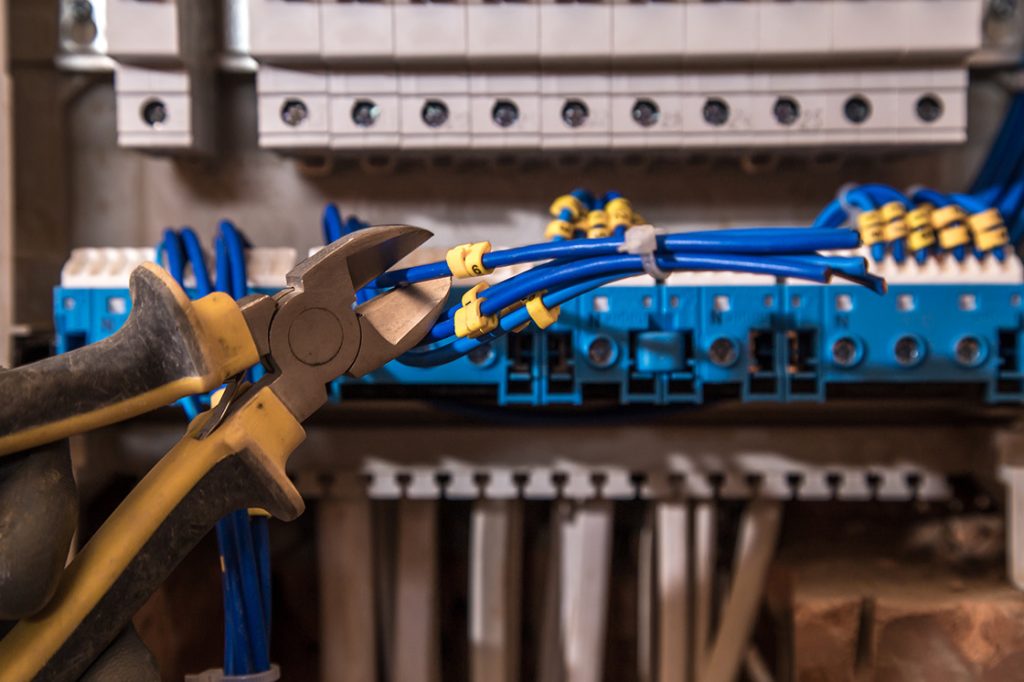
The electric panels are like the heart of a home’s electrical system. They quietly distribute power to everything, from the refrigerator to the lights. What happens, though, when something starts to go wrong? Often, the indications are there, but if you don’t know what to watch for, you’ll probably miss them. And let’s be honest – most people don’t think of the electric panel too much until something stops working.
Let’s change that today. Understanding these subtle warning signs can protect your home and keep things running smoothly.
1. Flickering or Dimming Lights
Ever noticed the lights dim when turning on an appliance? Though it might appear like a minor glitch, it could indicate the panel finds it difficult to meet the electrical demand. Older systems or overloading of circuits might cause this often. Though it’s easy to dismiss as a coincidence, before things become worse, it’s a warning worth noting.
2. Frequent Circuit Breaker Trips
Breakers are intended to trip because safety comes first. They can have their habitual trips, which is not a big deal. However, if it happens repeatedly, that’s like your panel waving a red flag in your face. This may indicate circuits drawing more current than they actually should, old wiring, or perhaps a faulty breaker. Whatever may be the reason, it’s a call to act on minor inconveniences before they grow into bigger problems.
3. Burning Smells or Scorch Marks
A burning smell coming from the panel? That’s not just concerning—it is urgent. This may be a sign of overheating, faulted wiring, or melting insulating components. Brown, burned marks around the panel might hint that things are heating up. Ignoring these signs may cause severe electrical issues; therefore, it is always best to address them right away.
4. Buzzing or Crackling Sounds
Electricity is silent, or at least it should be. If buzzing or crackling sounds are coming from the panel, it’s time to pay close attention. These noises can mean loose connections, damaged wires, or faulty breakers. Ignoring this could lead to overheating or even fire risks.
5. Outlets That Feel Warm to the Touch
When outlets or switches feel warm, it’s not just the appliance causing the heat. It can mean the wiring behind them is under stress. This stress could originate from issues within the panel itself, signaling that it’s time for a closer look.
6. Old Age or Obsolete Panels
If the home is still running on an electric panel installed decades ago, one might want to consider whether or not it has the capacity to handle power needs as experienced today. Older panels weren’t designed for modern appliances, electronics, or even air conditioning systems. Some panels, like Federal Pacific or Zinsco, are notorious for safety issues. If the panel hasn’t been updated in decades, it may be time to consider replacing the panel.
7. Rust or Corrosion
Water and electricity don’t mix well, and rust on the panel is a sure sign of moisture problems. Corrosion weakens connections, making the system less reliable and more dangerous. Left unaddressed, it can lead to larger safety concerns, so don’t let it slide.
8. Unexplained Power Surges
Do lights suddenly get brighter, or does the TV turn off without reason? These power surges might originate from the panel. While surges can also result from external sources, such as storms, recurring ones point to trouble within the home’s system.
Why Paying Attention to These Signs Matters
Ignoring early signs of electrical panel issues can lead to more than just inconveniences. Safety risks like electrical fires or appliance damage become real concerns. Besides that, fixing minor issues might save money and trouble later on.
Steps to Stay Ahead of the Problem
- Stay Aware
Even if there’s no visible problem today, keeping an eye on the panel ensures small issues don’t go unnoticed. It’s easier to catch something early when you know what to look for. - Regular Check-Ins
Get into the habit of checking the panel every now and then. Look for scorch marks, listen for unusual sounds, and see if there’s any rust. This doesn’t have to be a technical inspection—just a quick once-over to spot anything unusual. - Understand the Home’s Power Needs
Adding new appliances or renovating the home might mean the panel needs an upgrade. If circuits are overloaded, it’s worth discussing capacity with a professional to avoid stressing the system. - Don’t Hesitate to Get Help
If something seems off, it’s better to get it checked sooner rather than later. Whether it’s a persistent burning smell or frequent breaker trips, timely action makes all the difference.
A Safe and Reliable Home
Even though the electric panel may not be the most glitzy part of a home, it is easily one of the most important. Knowing these subtle warning signs isn’t about fear – it’s simple, proactive acts that keep everything safe and functioning.
By being vigilant, addressing any issues early, and making sure that the panel meets the needs of the house, life can continue without the disruptions of unexpected electrical problems.
The next time that the lights flicker or the breaker trips, don’t just brush it off. Start listening to what the panel has to say. It is not just electricity; it’s safety and protection that matters most.